TSF 24 PACK
See More

TSF 142 - MONACO
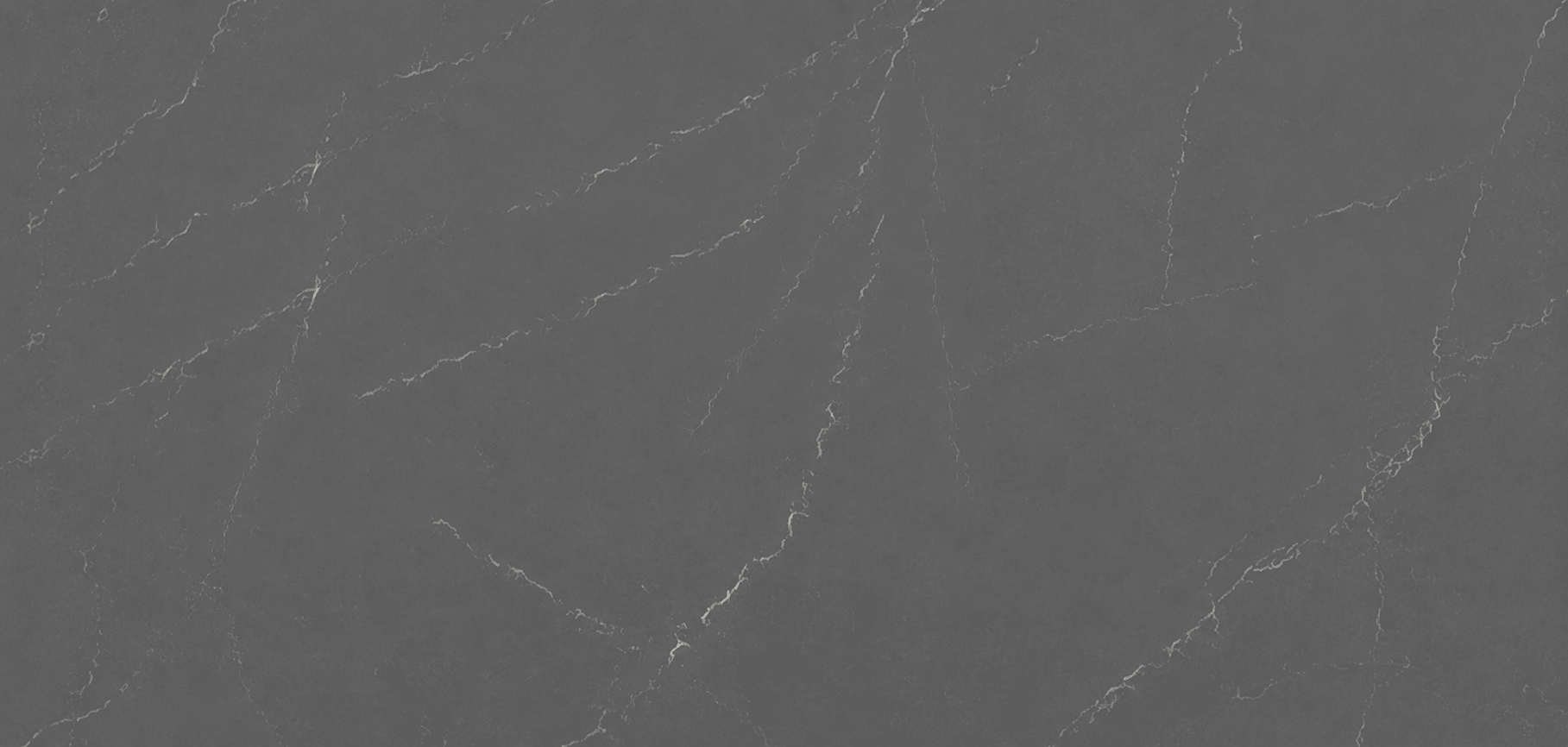
Monaco is a bold quartz surface with a deep charcoal base and subtle light veining that moves softly across the slab. Its dark tone brings depth, contrast, and a refined modern feel, while the delicate veining keeps the design from feeling flat or too heavy. Monaco works especially well in kitchens, bathrooms, bars, feature walls, and commercial spaces where a clean, dramatic surface is needed. Its understated movement gives it the look of natural stone, while keeping the overall design sleek, grounded, and timeless.
Monaco is a strong choice for anyone looking to create contrast, sophistication, and visual depth in a space. It pairs beautifully with white cabinetry, warm wood, brass fixtures, matte black finishes, and contemporary millwork. Whether used for kitchen countertops, waterfall islands, bathroom vanities, or accent walls, Monaco brings a polished and high-end look without overwhelming the room. Made from durable engineered quartz, it offers a low-maintenance surface for everyday living, making it ideal for busy homes and high-use spaces.


Engineered quartz is a popular choice in kitchens for its elegant veining and clean aesthetic. Its non-porous surface doesn’t absorb liquids, making it highly resistant to common substances like coffee, wine, lemon juice, vinegar, and oils. It’s also durable — resisting scratches, heat, and everyday wear with ease.
Natural stone refers to solid rock materials—such as granite, marble, quartzite, dolomite, soapstone, limestone, travertine, and onyx—that are quarried from the earth and cut into slabs for use in kitchens, bathrooms, and architectural features. Each slab is inherently unique in colour, veining, and texture, shaped by millions of years of geological activity. Natural stone comes in a wide range of hues—from warm earthy tones and soft creams to bold blacks and dramatic greys, depending on its mineral composition.
Not likely. Quartz is non-porous, so it resists stains from everyday items like wine, coffee, oils, and lemon juice.
Most natural stones are porous and require sealing to prevent stains and moisture penetration. Granite and quartzite typically need sealing once every 1–3 years, while marble and limestone may require more frequent maintenance
Natural stone is mined directly from quarries and cut into slabs without synthetic materials. Engineered stone, like quartz, is manufactured using crushed natural stone mixed with resins and pigments, resulting in more uniform patterns. Natural stone offers unmatched authenticity and variation.